Description
Key Components and Operation
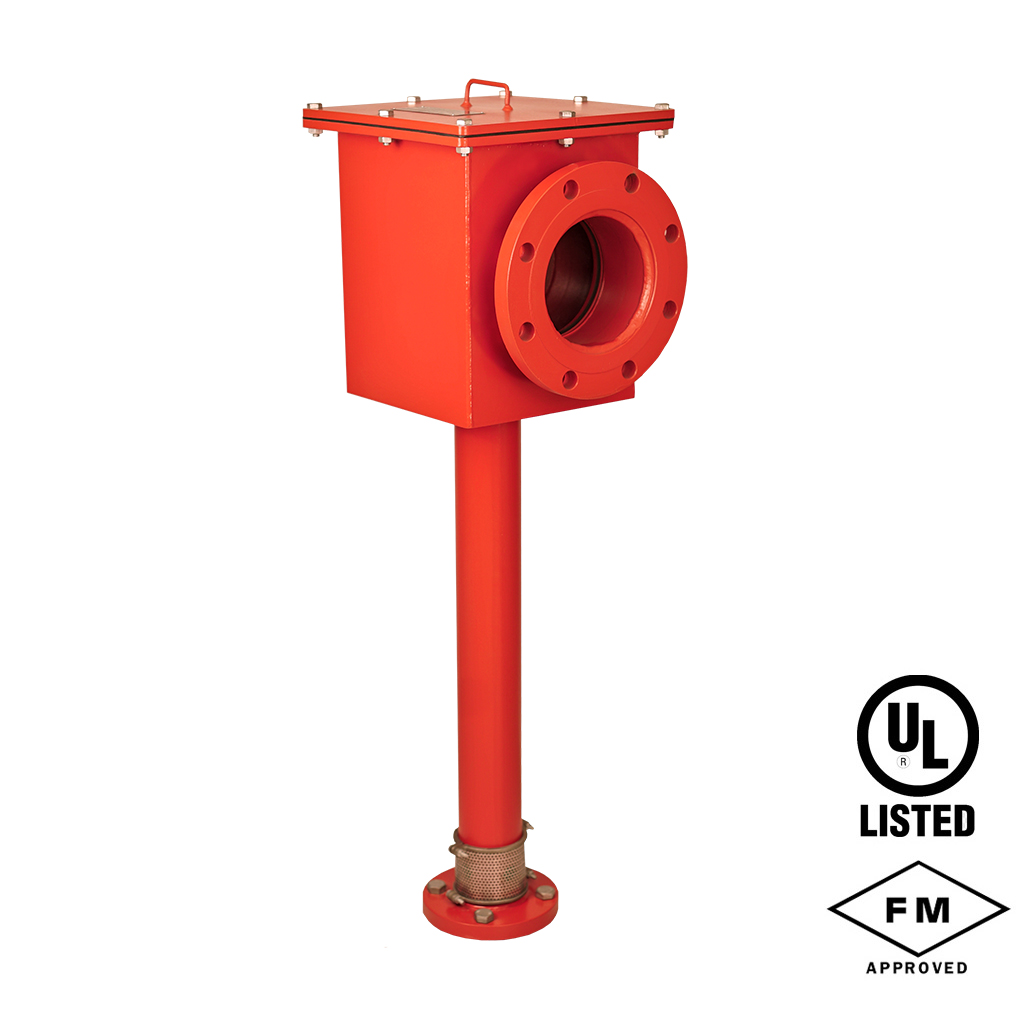
- Structure: Comprises a body with an integral foam maker, a frangible vapor seal, and a foam deflector.
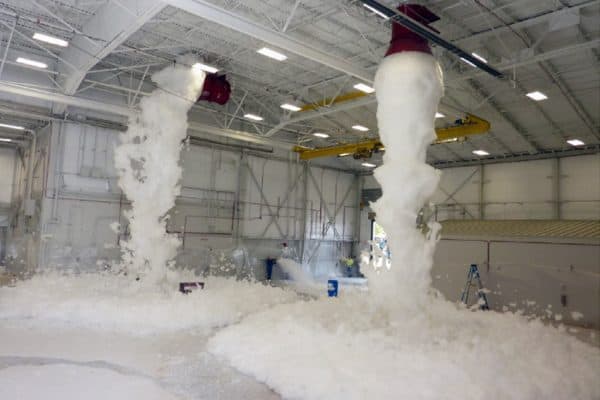
- Operation: Foam solution flows through a calibrated orifice, which creates a venturi effect that draws in air to create foam.
- Vapor Seal: A Teflon or frangible glass seal prevents flammable vapors from entering the foam piping system.
- Discharge: The pressure breaks the vapor seal, allowing the expanded foam to pass through the deflector and run down the inside wall of the tank.
- Deflector: A split or standard deflector directs the foam against the tank wall to reduce agitation, which is critical for extinguishing liquid fires.
Technical Specifications and Applications
- Applications: Ideal for oil refineries, petrochemical plants, and chemical warehouses, specifically for vertical cone roof tanks with or without internal floating roofs.
- Flow Rates: Typically available in sizes ranging from 50NB to 150NB, with flow capacities varying from 100 to 1800+ LPM depending on the model (e.g., 75 to 3300 LPM).
- Pressure: Operates at inlet pressures ranging from 2.8 to 7 kg/sq.cm (approx. 40 to 100 psi).
- Material: Usually constructed from carbon steel with a, red epoxy, or special coating for corrosion resistance, with stainless steel screen for the air inlets.
- Certifications: Often UL Listed and FM Approved.